
Author Note: This article was written after years of tracking cycle symptoms and talking with an ob-gyn about what counts as normal discharge versus what needs a phone call. It is meant to help you notice patterns, not replace a real diagnosis.
Table of Contents
- What Yellow Discharge Usually Means
- Normal Yellow Discharge vs Something Else
- Common Causes of Yellow Discharge
- How Tracking Your Cycle Helps You Notice Changes
- When to Call Your Doctor
- FAQs
- Conclusion
What Yellow Discharge Usually Means
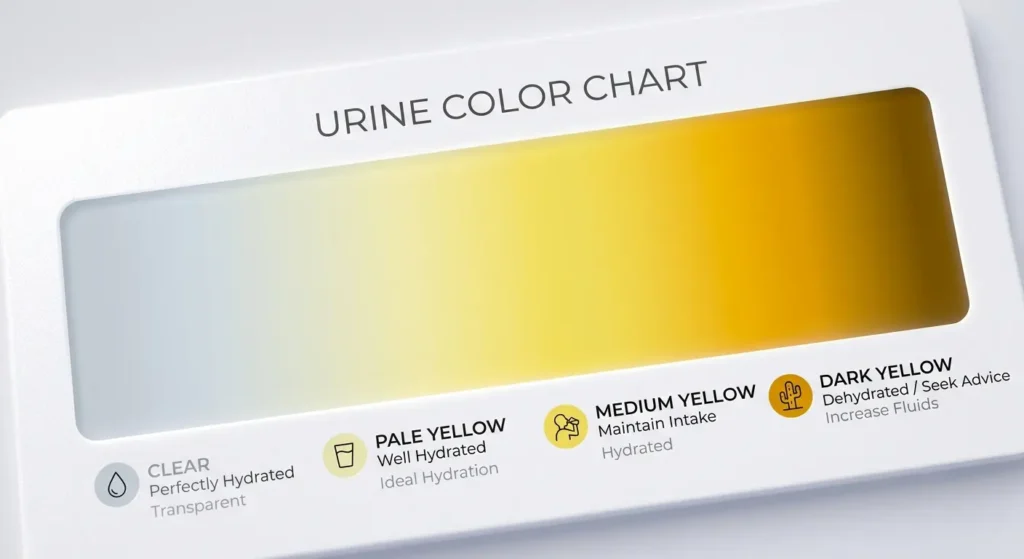
Yellow discharge shows up for almost every woman at some point, and most of the time it has nothing to do with an infection. A pale yellow tint often just means the discharge sat on a pad or underwear for a while and dried out a bit, which changes the color the same way saliva looks different once it dries on a napkin. It only becomes a real concern when the shade turns darker, the texture gets frothy or chunky, or a strong smell shows up alongside it.
Key takeaway: Color alone rarely tells the whole story. Doctors look at color, smell, texture, and any other symptoms together before calling something abnormal.
Normal Yellow Discharge vs Something Else
I remember the first time I noticed a faint yellow tint on my underwear and panicked a little, assuming the worst. My doctor later explained that discharge naturally shifts color and thickness across the month because of hormone changes, and pale yellow on its own is usually nothing to worry about.
Here is a quick way to tell the difference.
| Discharge Type | Likely Cause | What to Watch For |
|---|---|---|
| Pale yellow or cream | Normal hormonal shift | No smell, no itching, common right after your period |
| Frothy yellow green | Trichomoniasis | Strong odor, itching, redness |
| Dark yellow or gray | Bacterial vaginosis | Fishy smell, thin texture, worse after sex |
| Thin pale yellow | Low estrogen changes | Dryness, more common around menopause |
If your discharge matches the top row, you probably do not need to do anything except keep an eye on it. If it matches any other row, that is your sign to book an appointment.
Common Causes of Yellow Discharge
There are a handful of reasons your body produces yellow discharge, and not all of them mean infection.
Everyday hormonal shifts. Your cycle moves through different stages, and cervical mucus changes texture and sometimes color along the way. This is completely normal and tends to happen right before or after your period.
Diet and hydration. Sounds strange, but low water intake can concentrate the fluid and give it a slightly deeper tint. Most people notice it clears up once they drink more water for a few days.
Bacterial vaginosis. This happens when the natural bacteria balance in the vagina shifts. It usually brings a thin, dull yellow or gray discharge with a fishy smell that gets stronger after your period or after sex.
Trichomoniasis. A sexually transmitted infection that often causes a yellow green, frothy discharge along with itching, redness, and discomfort while peeing. Both partners need treatment even if only one person has symptoms.
Foreign objects. A forgotten tampon or a leftover piece of a barrier method can cause yellow discharge with an unpleasant smell until it is removed.
Menopause related changes. Lower estrogen levels can thin out the vaginal lining and shift discharge to a pale yellow with more dryness than usual.
How Tracking Your Cycle Helps You Notice Changes
This is the part most articles skip, but it made the biggest difference for me. Once I started logging my cycle with a [period calculator], I could actually see when discharge changes lined up with ovulation or the days right before my period instead of guessing. Small deep yellow patches that once felt alarming started making sense once I saw the timing on the calendar.
I use www.periodcalculator.com to log my cycle length and symptoms every month, and it takes less than a minute. Over a few cycles you start noticing your own normal, which makes it so much easier to tell your doctor exactly when something changed instead of saying “it’s just been off lately.” That kind of detail actually speeds up a diagnosis.
If you have never tracked your cycle before, start simple. Note the first day of your period, roughly how heavy it is, and anything unusual about discharge that week. A [free period calculator] tool does the math for you so you are not stuck flipping through old calendar apps trying to remember dates.
When to Call Your Doctor
Most yellow discharge sorts itself out or turns out to be harmless. Call your doctor if you notice any of the following.
- A strong fishy or foul odor
- Itching, burning, or swelling around the vulva
- Pelvic pain or pain during sex
- Discharge that is green, frothy, or chunky
- Fever alongside any discharge change
- Discharge after menopause that you had not noticed before
None of these need to be a big scary appointment. A quick pelvic exam and a swab usually gives your doctor an answer within a day or two, and most causes clear up fast with the right treatment.
FAQs
Is yellow discharge always a sign of infection? No. Pale yellow discharge without odor, itching, or pain is usually a normal hormonal variation and does not need treatment.
Can dehydration cause yellow discharge? Yes. Low fluid intake can concentrate vaginal discharge and give it a slightly yellow tint that clears up once you drink more water.
What color discharge means bacterial vaginosis? Bacterial vaginosis usually causes a thin, dull yellow or gray discharge with a strong fishy smell, especially after your period or sex.
Should I track discharge changes with my cycle? Yes. Logging discharge alongside your period dates in a [period calculator] helps you and your doctor spot real changes faster.
Can yellow discharge happen right before my period? Yes. Hormonal shifts in the days leading up to your period commonly cause a slight yellow tint that goes away once your period starts.
Conclusion
Yellow discharge on its own is rarely an emergency. Pay attention to smell, texture, and any other symptoms rather than color alone, and use your cycle history to spot what counts as normal for you. If something feels different from your usual pattern, a quick call to your doctor settles it fast.
Ready to better understand your own cycle? Try our free period calculator at www.periodcalculator.com to track symptoms alongside your period dates every month.