
Feeling the first twinge of a period can be a surprise — I still remember clutching my stomach in high school, wondering if this was normal. As any woman who’s had a few periods knows, it’s totally normal to feel a mix of things: mild cramps, some fatigue, maybe tender breasts or a headache. In fact, medical sources say cramps are the single most common period symptom, and these menstrual symptoms are routine before or during your period.
Over 75% of women report some form of PMS symptoms — everything from irritability to food cravings — in the week or two before their period. In short, if you’ve got the typical mix of achy muscles, mood shifts, and that tired feeling, you’re likely experiencing normal menstrual symptoms. This guide explains which menstrual symptoms are worth attention, what actually helps, and when to call your doctor. If you ever want to predict your next cycle, our free period calculator can help you plan around them.
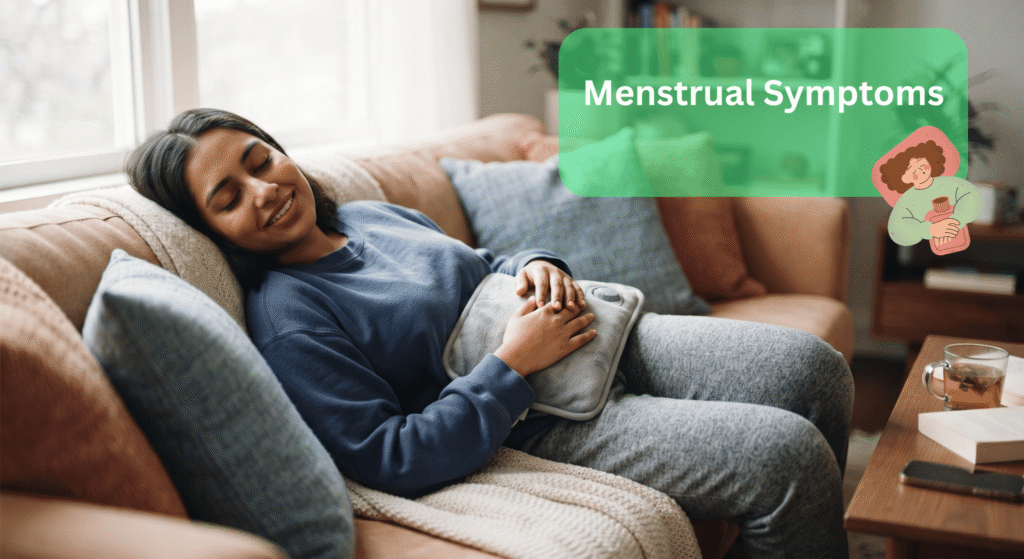
Why Do These Symptoms Happen?
Weird mood swings and stomach aches aren’t random — they’re tied to your hormones. Your body’s hormone levels (estrogen and progesterone) rise and fall throughout the month as it gears up for a possible pregnancy. When estrogen and progesterone drop, the uterus sheds its lining and you get your period. These hormone swings can trigger those familiar menstrual symptoms.
The U.S. Office on Women’s Health explains that changing hormone levels can cause menstrual symptoms during each cycle. For example, higher progesterone before your period can cause breast tenderness or bloating, while the chemical prostaglandin released in your uterus makes it contract — that’s the cramp pain. In my experience, some periods are mild and others hit me like a wave, depending on hormone balance and stress.
Common Period Symptoms to Expect
Every body is different, but many women see a mix of these menstrual symptoms each month. From personal experience and medical sources, here are the usual suspects:
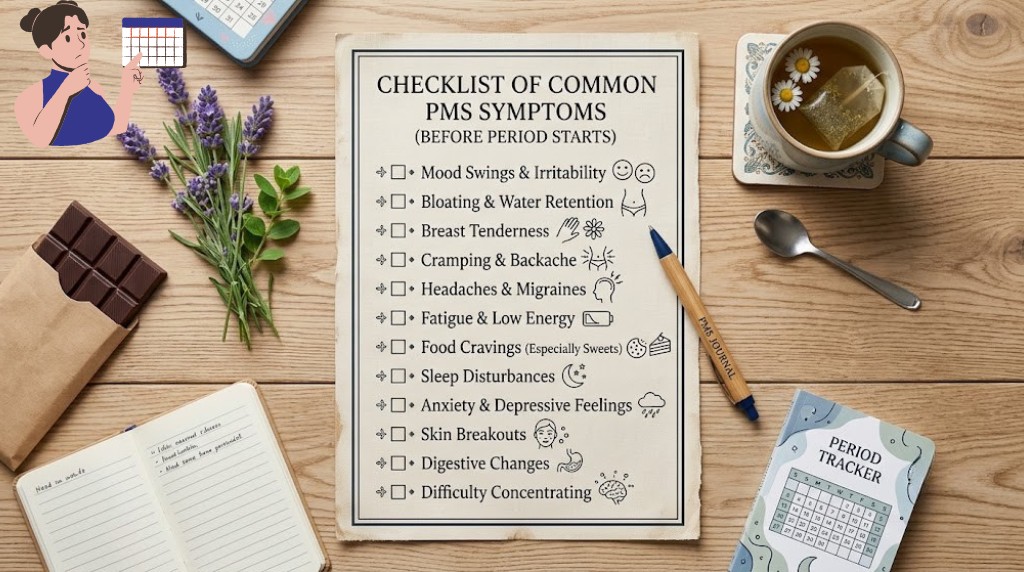
- Cramps and Lower Back Pain: This is the most common of all menstrual symptoms, and about 85% of women get period cramps at some point. It feels like dull to sharp aches or spasms in your lower belly or back as the uterus contracts. One cycle I barely noticed cramps, another had me nearly doubling over. Usually over-the-counter pain relievers or a hot water bottle ease it.
- Bloating and Digestive Changes: Hormones can make you feel puffy or gassy. You might notice your clothes feel tighter mid-cycle. Bloating is normal and often eases after the period starts. It can sometimes go along with mild constipation or, on the other hand, looser stools. Staying hydrated and light exercise can help reduce bloating.
- Breast Tenderness: Sore, swollen breasts just before your period is common due to hormone shifts. About 40–70% of women report breast pain around their cycle. It usually feels like fullness or heaviness, and goes away when your period ends. However, if you notice new lumps or persistent pain unrelated to your cycle, it’s worth getting checked by a doctor.
- Headaches or Migraines: Fluctuating hormones can trigger headaches in some women. If you already get migraines, you might notice them become more frequent or worse around your period. Rest, hydration, and acetaminophen or ibuprofen often help.
- Mood Changes: It’s no myth — many of us get emotional or irritable before our period. Mild mood swings and teariness are a normal part of PMS. Mayo Clinic explains that symptoms range from tension and moodiness to appetite changes and cravings. For me, I sometimes feel extra tired, sad, or snappy in the days leading up to my period. Usually these feelings lift within a day or two after menstruation begins.
- Fatigue: Feeling unusually tired or low-energy is very common before and during your period. My personal hack is to prioritize sleep and light exercise (like walking or yoga) on tough days. Some women find small doses of caffeine helpful, but it’s a balance — too much can worsen cramps or anxiety.
- Skin Breakouts: Yes, acne loves to visit around the same time each month. About 40–45% of women report pre-period acne flare-ups. If you notice new pimples popping up on your chin or jawline, it’s likely hormone-related and usually clears up post-period. A gentle skincare routine and not over-washing can keep skin from getting too irritated.
These symptoms tend to form a pattern: bloating and moodiness often peak right before bleeding, while cramps and fatigue may hit strongest on Day 1 or 2 of bleeding. The Cleveland Clinic sums it up: cramps are the most common sign of your period, and other signals can include moodiness, headaches, cravings, bloating, and breast tenderness. Understanding your personal pattern of menstrual symptoms makes the whole cycle easier to plan around.
PMS vs. PMDD: When Mood Swings Are More Than “Normal”
You’ve probably heard of PMS (premenstrual syndrome) and PMDD (a severe form). Regular PMS symptoms like a bit of sadness, mild irritability, or food cravings are very common. In fact, 80–90% of women report at least one PMS symptom each cycle. But if emotional or physical symptoms become overwhelming, it could be something more intense than your usual menstrual symptoms.
For example, if anxiety crashes or panic attacks flare up pre-period, or if you feel hopeless and can’t do normal activities, that might be PMDD. The Mayo Clinic notes that a small number of women have disabling PMS symptoms every month, and that severe form is called premenstrual dysphoric disorder.
I’ve known friends who suspected PMDD after feeling “completely different people” before each period — in those cases, professional help made a big difference. In short, while moodiness and craving chocolate are fairly routine, talking to a doctor is wise if your emotional symptoms are severe or new. Menstrual symptoms that take over your life are not something to just push through.
When to Worry: Red Flags and When to See a Doctor
Most period symptoms are just inconvenient, not dangerous. But some menstrual symptoms are red flags. The Cleveland Clinic emphasizes that very heavy bleeding or debilitating pain aren’t “just PMS.” For instance, if you’re soaking through a pad or tampon every hour or two, and passing big clots, your bleeding is unusually heavy. Heavy periods can lead to anemia or signal conditions like fibroids or hormonal imbalances.
Likewise, cramps so bad they keep you in bed are not normal “womanly” pain — they can hint at issues like endometriosis or adenomyosis. Other worrisome signs include:
- Irregular or skipped periods (more than 38 days apart) for no obvious reason.
- Bleeding between periods or after menopause.
- Symptoms that suddenly change — for example, a previously light flow that becomes super heavy.
- Severe symptoms that last beyond the first few days of bleeding.
Remember the Cleveland Clinic’s advice: you bleed an average of 2–3 tablespoons of blood each cycle. If you regularly bleed more than about 7 days, or need to change protection every 1–2 hours, it’s worth discussing with your doctor. When menstrual symptoms interfere with normal life, they deserve a professional look.
How do you know when heavy is too heavy? A good rule of thumb is whether you can comfortably get through a school or work day. If you’re changing a pad or tampon more than once every couple of hours, or missing work and events, that’s a reason to talk to a healthcare provider rather than just waiting it out.
Period symptoms are common, but they should never stop you from living your life month after month. If you’ve been tolerating severe pain for years because you assumed it was normal, that alone is a good reason to book an appointment and get a proper answer.
Coping Strategies & Self-Care Tips
Okay, so you have your period and symptoms to deal with. What actually helps? Over the years I’ve tried tons of tricks; here are the ones that really work for tackling menstrual symptoms at home, along with advice from experts:
- Stay active: It may be the last thing you feel like doing, but gentle movement (like walking, yoga or stretching) can ease cramps and boost your mood. Even a short walk releases endorphins, which are natural painkillers. If you’re able, I’ve found that a little light exercise almost always makes me feel better than sitting still.
- Use heat: A classic remedy. A warm bath or a heating pad on your belly can soothe muscles and cut cramp intensity. It’s hard to beat a hot shower or soaking in warm water on a rough day.
- Pain relievers: Over-the-counter NSAIDs like ibuprofen or naproxen block the prostaglandins that cause cramps. Taken at the onset of cramps (and as directed), they can significantly ease pain. However, they’re not for everyone, so use them judiciously and with food.
- Hydration and diet: Drinking water may seem obvious, but dehydration can worsen cramps and bloating. Some women swap caffeine for herbal teas like peppermint or ginger. Balancing meals with protein and iron-rich foods like leafy greens or beans can help with fatigue and water retention.
- Sleep and relaxation: Getting enough rest is key. A short nap or going to bed earlier can help a lot. If anxiety is high, gentle breathing exercises or meditation apps can really help center you, since stress hormones and menstrual hormones together are a recipe for feeling worse.
- Tracking & planning: Keeping a period calendar or app is hugely helpful. Not only does it let you predict your next cycle, it reveals patterns over time, like headaches two days before or cramps easing by Day 3. Reading our guide on the signs your period is coming can help you spot menstrual symptoms before they arrive.
- Talk about it: One of the best things I’ve learned is not to suffer in silence. Chatting with friends normalizes it — turns out everyone has horror stories or tips. Most menstrual symptoms are manageable, but you shouldn’t white-knuckle your way through them; if something really seems off, bring it up with a healthcare provider.
There are trade-offs to everything. For example, birth control pills can lighten periods and symptoms for many women, but they come with their own side effects to discuss with a doctor if needed. The key is finding what works for you. It might be a combo of heat, rest, and OTC meds — or maybe acupuncture or magnesium supplements (some people swear by them). The great news is that most period pain and symptoms can be managed at home, but help is available if you feel stuck.
One thing I learned the hard way: your menstrual symptoms can change over the years. What helped at 22 didn’t always help at 30, and periods after pregnancy or a big stress season feel different too. That’s normal — it just means you keep adjusting, and you don’t have to have everything figured out at once.
Frequently Asked Questions
Q: What are typical symptoms before and during my period?
A: It varies by person, but common signs include mild to moderate cramps, bloating, tender breasts, mood swings, fatigue, headaches, and sometimes acne flare-ups. Most women experience at least a few of these, usually starting a few days before your period and easing within a couple days after bleeding starts. Menstrual symptoms that are mild and short-lived are part of the normal cycle.
Q: When should I be concerned about my menstrual symptoms?
A: If your symptoms disrupt daily life or are very intense, get checked out. Red flags include periods lasting longer than about 7 days, soaking a pad or tampon every 1–2 hours, severe pain that doesn’t improve with normal remedies, or any spotting between periods. Unusual changes in flow or pain warrant a doctor’s visit.
Q: Are painful periods normal, and what helps cramps?
A: Mild cramping is common as the uterus sheds its lining. However, pain is not something you just have to silently endure if it’s severe. For typical cramps, remedies like a hot water bottle, gentle exercise, or NSAIDs like ibuprofen usually ease the discomfort. If cramps are debilitating or getting worse each cycle, mention it to a healthcare provider — they can check for causes like fibroids or endometriosis. If your usual remedies stop working, that’s worth noting too: pain that used to respond to ibuprofen but no longer does can signal something changed, and a doctor can help you figure out why.
Q: What is the difference between PMS and PMDD?
A: PMS includes common symptoms before periods like bloating, cramps, and mild moodiness. PMDD is a severe form of PMS where symptoms like anxiety, depression, and irritability are extreme and interfere with daily life. If you find yourself having panic attacks or feeling profoundly depressed every cycle, that’s more than ordinary menstrual symptoms and worth discussing with a professional.
Q: How can I keep track of my menstrual cycle and symptoms?
A: Use a calendar or period-tracking app to mark the first day of your period each month, and note key symptoms and their intensity. Tracking menstrual symptoms month to month helps predict what’s coming and tells your doctor exactly when each cycle starts and stops, which is very useful in a check-up.
Q: Can birth control help with menstrual symptoms?
A: For many women, yes. Hormonal birth control like the pill or patch can lighten bleeding, ease cramps, and smooth out mood swings. It’s not the right choice for everyone, and some women get side effects, so it’s worth a conversation with your doctor about whether it fits your health history.
Conclusion
Menstrual symptoms can be a mixed bag, but remember: most of what you feel each month is normal. From personal experience and medical experts, we know that cramps, bloating, tiredness, and mood shifts are very common menstrual symptoms. At the same time, keep an eye on anything outside the usual — especially very heavy bleeding or excruciating pain.
Think of it this way: your cycle is a monthly check-in with your body. The more you understand your own menstrual symptoms, the quicker you’ll notice when something genuinely changes — and the less time you’ll spend worrying about what is probably normal. Track it, treat it kindly, and give your doctor a call whenever your gut says something is off.
Coping strategies like heat, gentle movement, hydration, and over-the-counter remedies can make a big difference. And importantly, listen to your body. If something really doesn’t feel right, talking to a healthcare provider can help you sort out what’s going on. Every woman’s cycle is slightly different; finding your own pattern of menstrual symptoms and what soothes you is key.
Call To Action
Do you have questions or tips about dealing with menstrual symptoms? Share your experiences in the comments or on social media — breaking the silence helps everyone. And if you found these tips useful, consider subscribing to our newsletter for more personal health advice. You’re not alone on this journey to feeling better each month.
Disclaimer: This article is for general informational purposes only and isn’t a substitute for professional medical advice, diagnosis, or treatment. Talk to your doctor about any concerns regarding your menstrual cycle or period symptoms.
Pingback: Can a Yeast Infection Postpone Your Period? 7 Proven Facts
Pingback: Period Quiz: 7 Surprising Questions to Test Your Cycle Knowledge
Pingback: Gain Weight on Your Period: 5 Surprising Reasons That Help
Pingback: Signs Your Period Is Coming Late: 9 Real Clues to Watch
Pingback: Two Periods in One Month: 12 Common Causes That Help
Pingback: First Period After Giving Birth: 8 Simple Things That Help
Pingback: Cycle Change From 28 to 31 Days: 8 Simple Reasons That Help
Pingback: Why Is My Period So Light: 9 Simple Reasons That Help
Pingback: Period Test: 8 Simple Clues That Help You Predict Your Period
Pingback: Tired Before Your Period: 9 Simple Reasons and What Helps
Pingback: Can You Swim on Your Period? 9 Easy Ways to Stay Comfortable
Pingback: Implantation Bleeding vs Period: 9 Easy Ways to Tell Them Apart
Pingback: Can You Get Pregnant on Your Period? 9 Easy Ways to Know Your Risk
Pingback: Pregnancy Wheel Period Calculator: 7 Smart Ways That Help
Pingback: Period Calculator: 9 Easy Ways That Help You Track Your Cycle
Pingback: Period Calculator Guide: 9 Simple Ways That Help You Predict